

Stage 3 · Foundation
From a restaurant website to a webshop with thousands of products. And if no tool exists, I build it.
I don't just come up with the marketing, I also build the place it lands. That removes a link in the chain, and it means the site is built to convert, not just to look good.

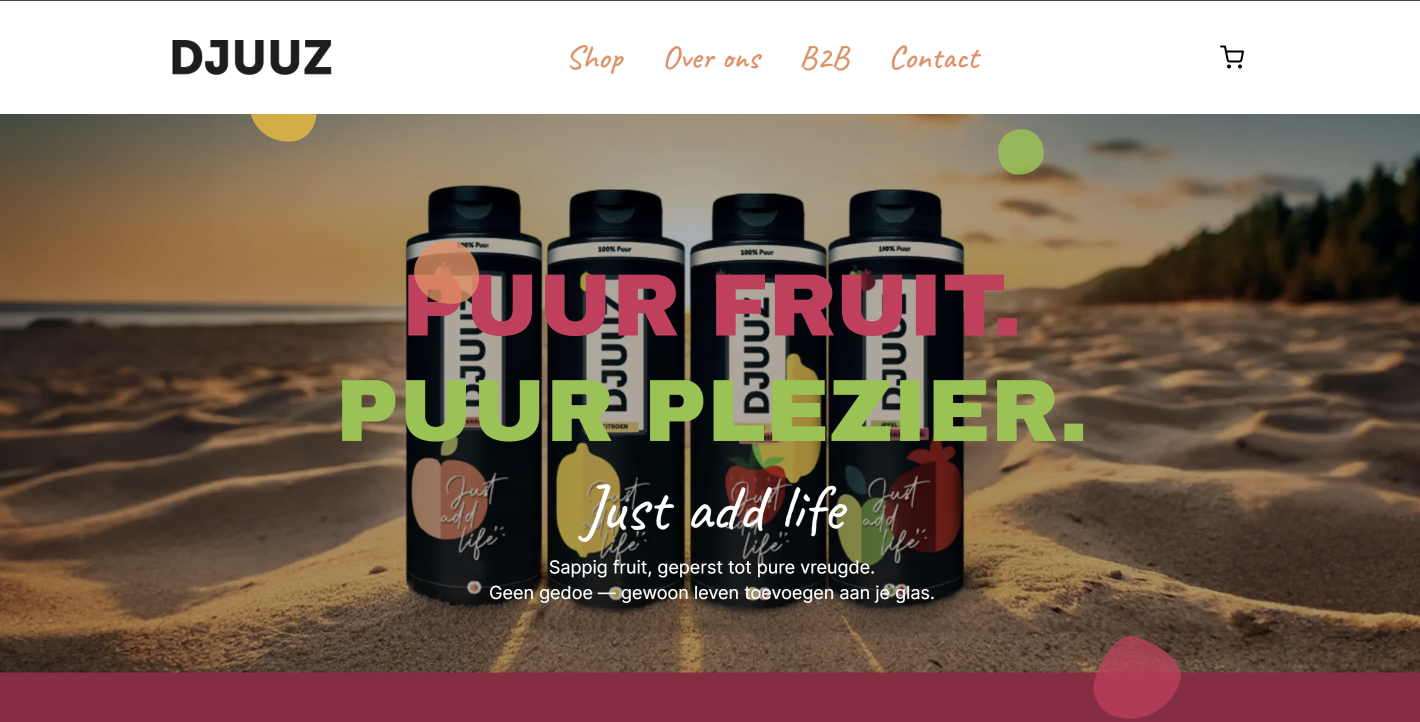
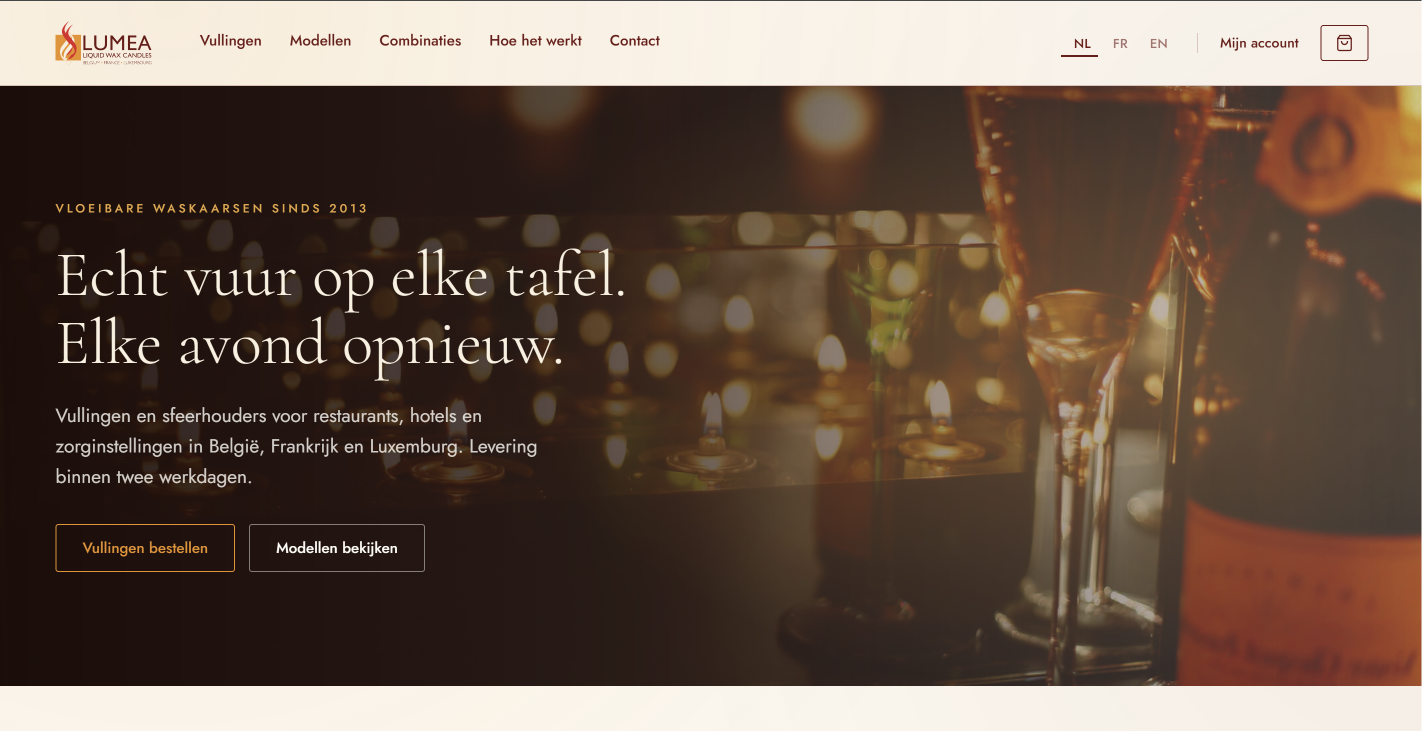
The work · websites
Sites that do what they were made for.
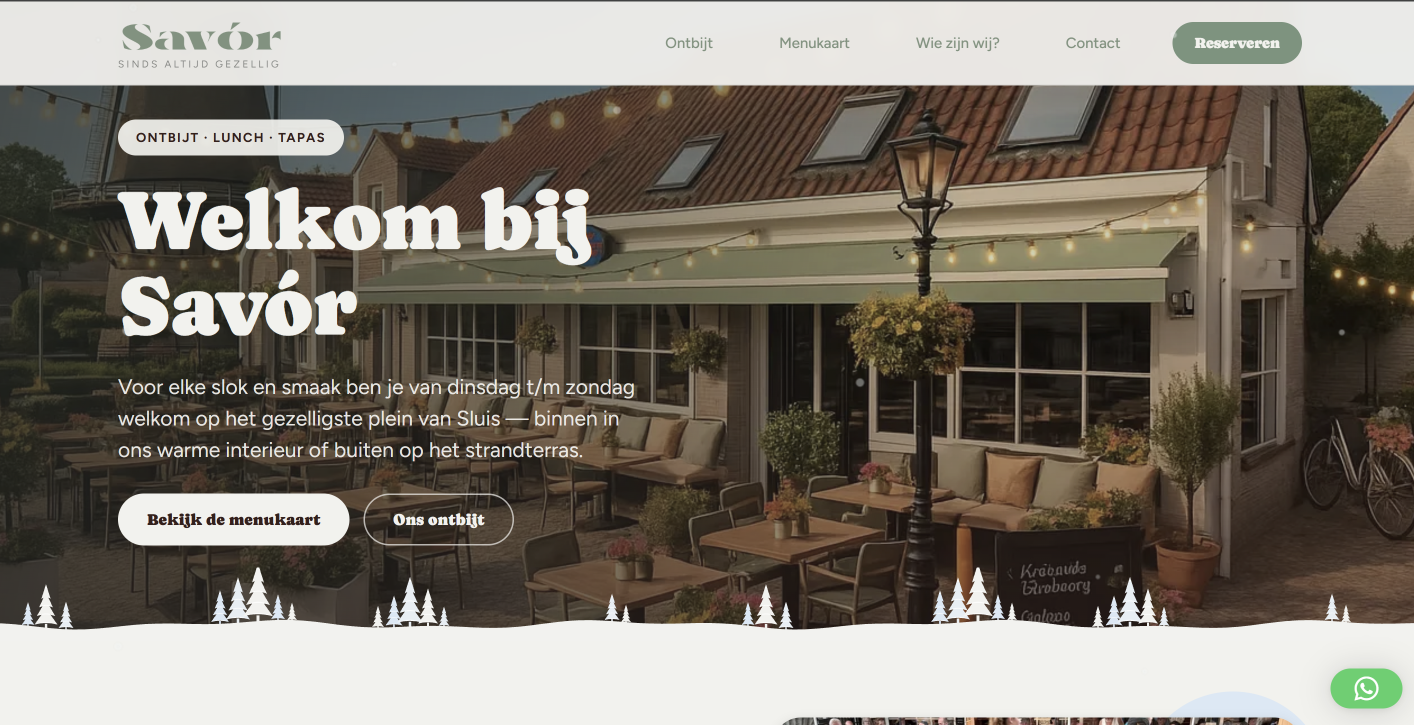
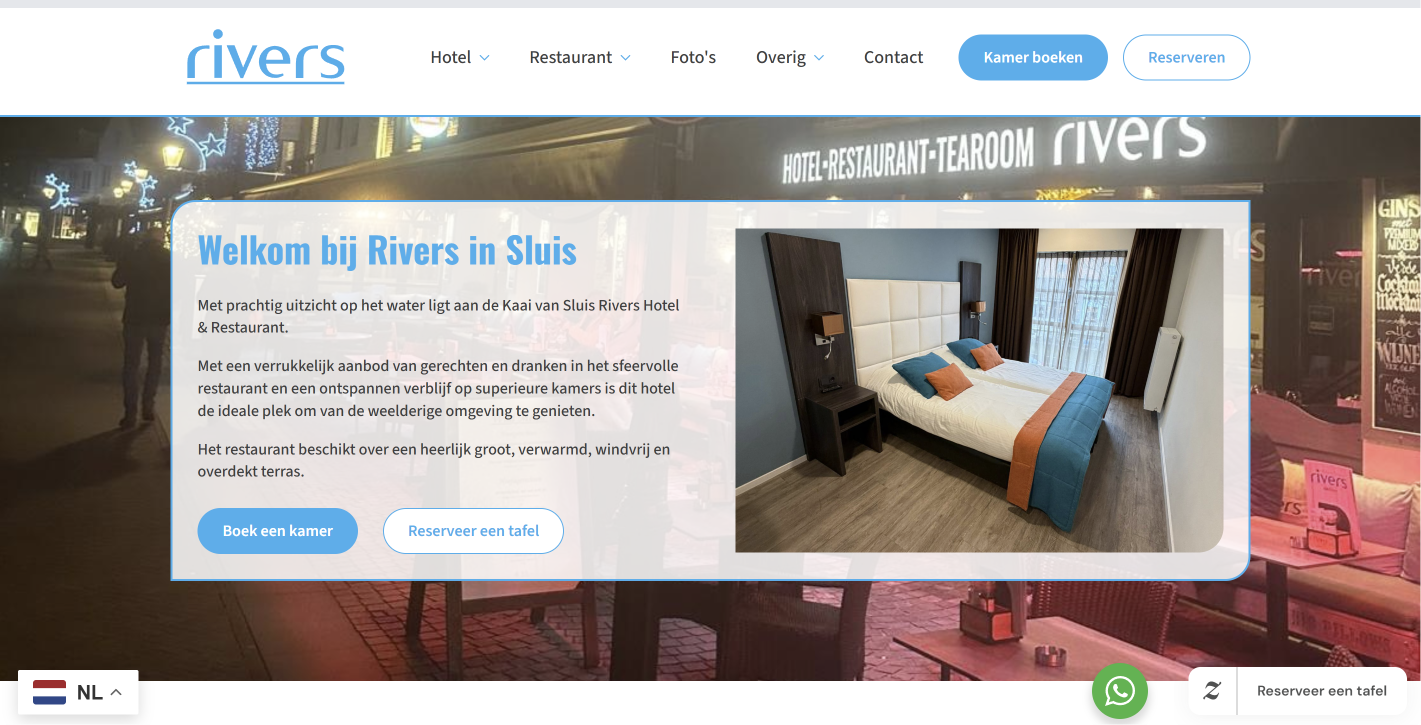
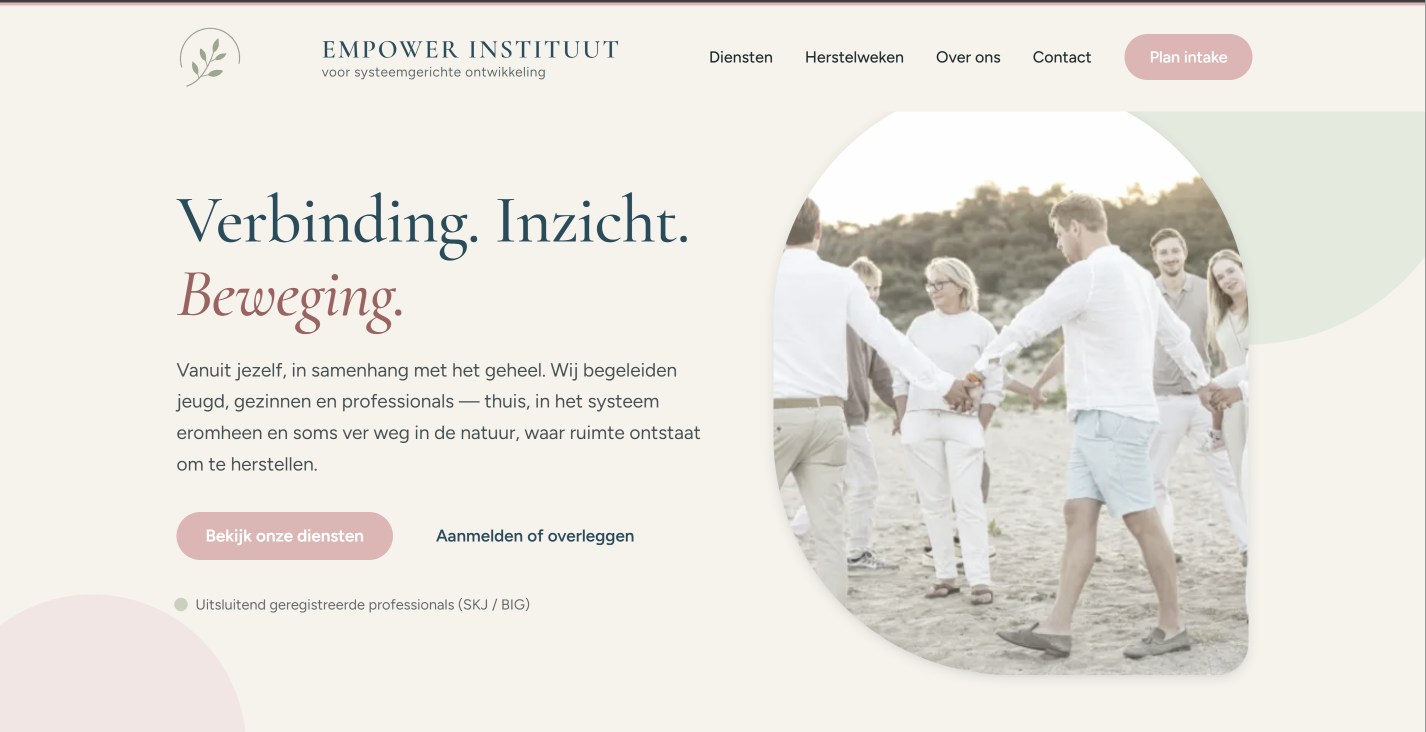

The work · webshops
Thousands of products, integrations that work.
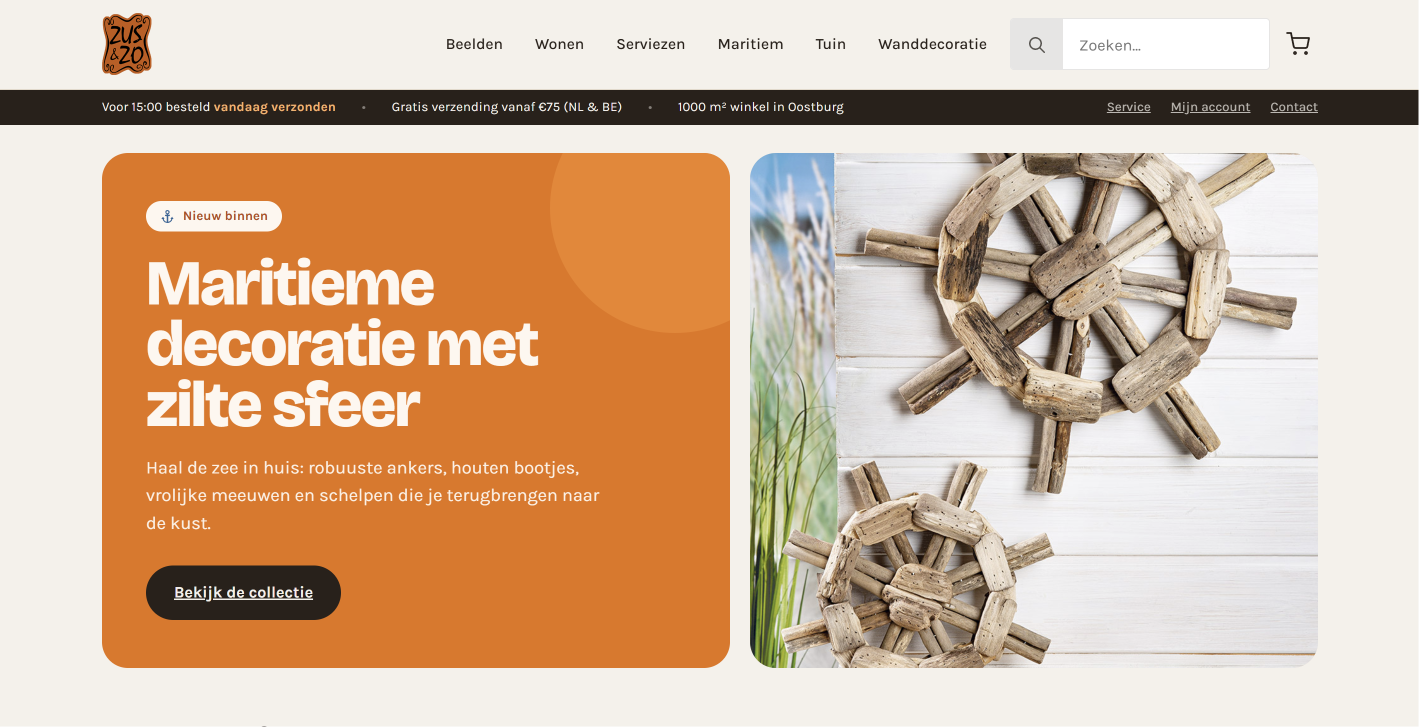
The work · platforms and custom software
If no tool exists that can do it, I write it myself.
Localys
A B2B platform I built from the ground up. It connects local suppliers directly with professional buyers such as hospitality: from offering and ordering to invoicing. With CO2 reporting and AI assistance. Suppliers configure everything themselves, such as delivery areas, costs and price agreements. Behind it runs a GTM engine I also built myself, which finds and approaches new suppliers and buyers.
Zus & Zo product content agent
Supplier files arrive in all kinds of formats; they are recognised, converted and given their own product copy. Work that used to be done by hand, product by product.
Apollo Command Center
CRM, thought leadership content, pomodoro timer, project management and infographic summaries of meetings, recorded with hardware or software. Some of the functions I also control from a small touchscreen on my desk, without opening my laptop. The system I sell is the system I use.
Leadscraper
Built in Claude Code with SiteBeacon. It uses Google Business Profiles to find companies that don't have a website yet. Development and market research have become the same work for me: I had a question about the market, so I built the tool to answer it.
After a few fine-tuning rounds, the system builds website concepts at scale. It also analyses what it could deliver to be found in, for example, ChatGPT.

Account analysis: knowing a large company before the first conversation
For a software company I mapped out one of their biggest target accounts. On that data I built an overview with an AI chat in Claude Code. Instead of scrolling through dozens of profiles, you see the whole company at once and simply ask your question: who is involved, what are they working on, where do we start?
Who is who
Everyone in the company, by team and role.
What they talk about
The topics that keep coming back on LinkedIn.
Just ask
Ask a question in plain language and get an answer from the data.
The managing director used it to prepare his conversations. The product marketer saw at a glance how best to approach the company.
Why I build it myself
A site that doesn't convert is an expensive brochure.
Most marketers outsource the building, and most builders don't understand the marketing. The difference between a brochure and a site that brings in enquiries lies in things you can't see without a marketing background: speed, structure, which information goes where, what happens after a form is submitted, and whether an AI assistant can read your content at all.
It also saves time. No briefing that gets diluted along the way, no waiting until an outside party has time.
How it goes
Four steps to live.
Design
We define the structure and the look. You see what it will be before anything gets built.
Building on a staging site
Everything is built in an environment nobody else can see.
Processing your feedback
You click through it, give your comments, and I work them in.
Live
Moving it over, checking, and measuring whether it does what it should.

What if you want to change something later?
You edit copy and products yourself. Without calling me.
What you do: change copy, replace images, update products and prices, add pages based on existing layouts.
What you need me for: new functionality, integrations, a new type of page, or anything that touches the technology.
What should your site be able to do?
Thirty minutes, video call. I look at what you have now and tell you what I would build, and what you can leave as it is.
Book a strategy call